Alphabet Tracing Worksheets A to Z (Free Printable PDF)
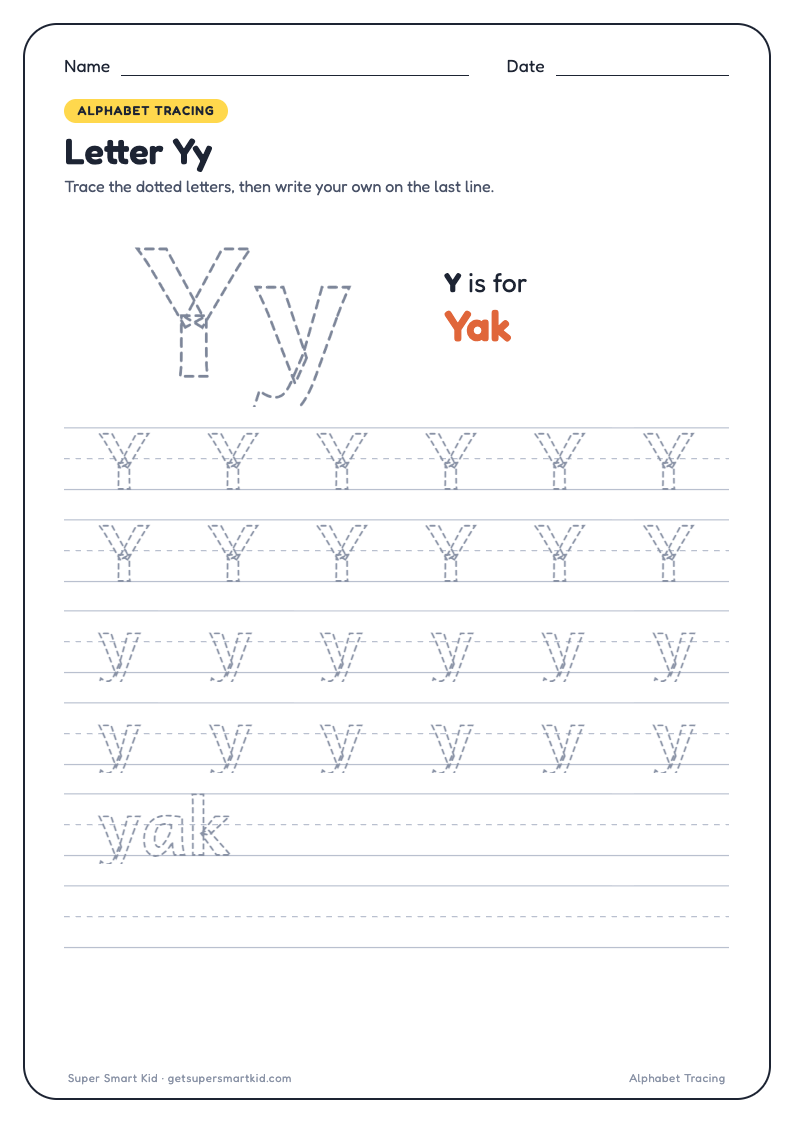
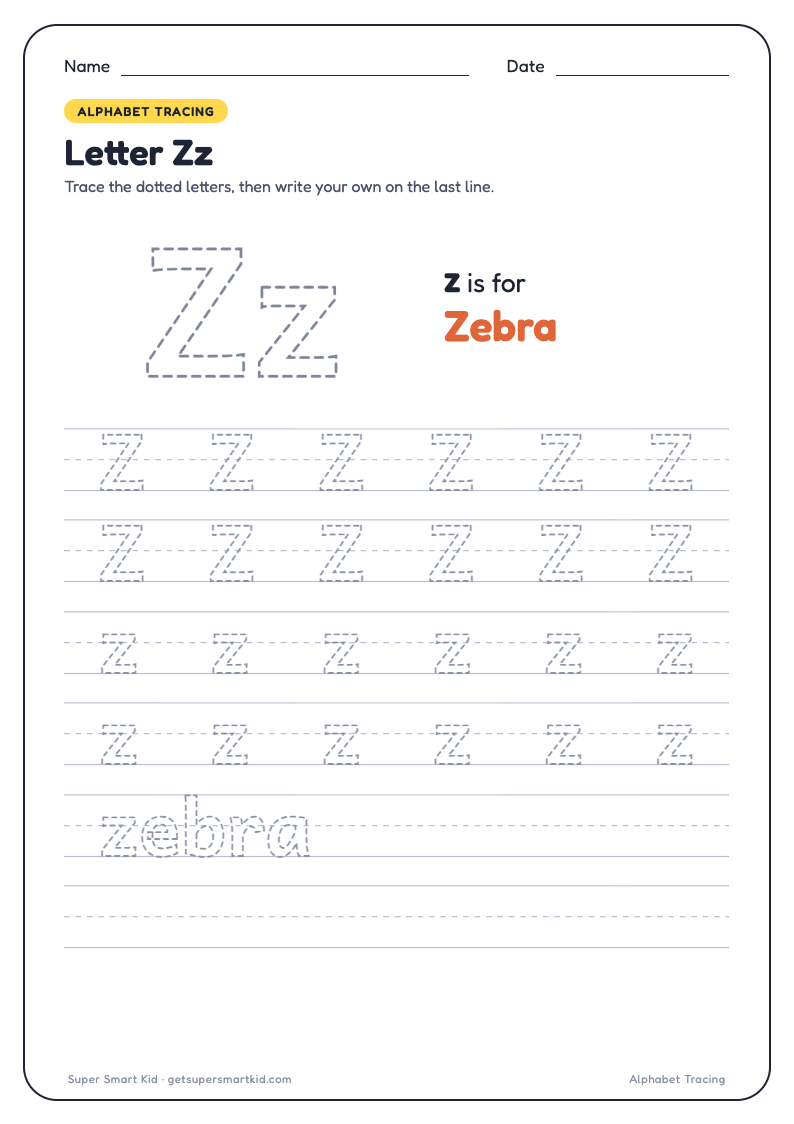
One page for every letter of the alphabet, A to Z. Your child traces the big letter, then two rows of capitals, two rows of small letters, and a simple word that starts with that letter (A is for apple, M is for mango). The last line is empty so they can try writing the letter on their own.
- Best for
- Nursery and LKG (age 3 to 5)
- Skill
- Writing capital and small letters A to Z
- What you get
- 26 pages, 1 PDF, A4, black and white
See every page
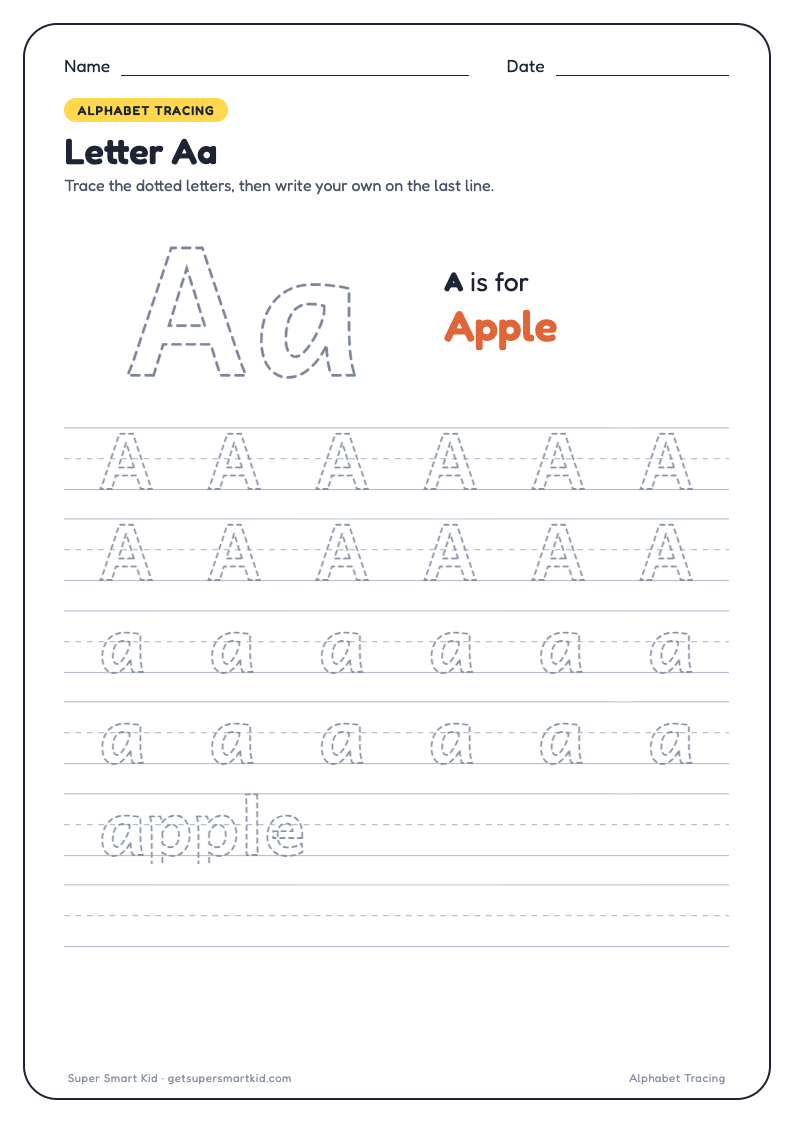
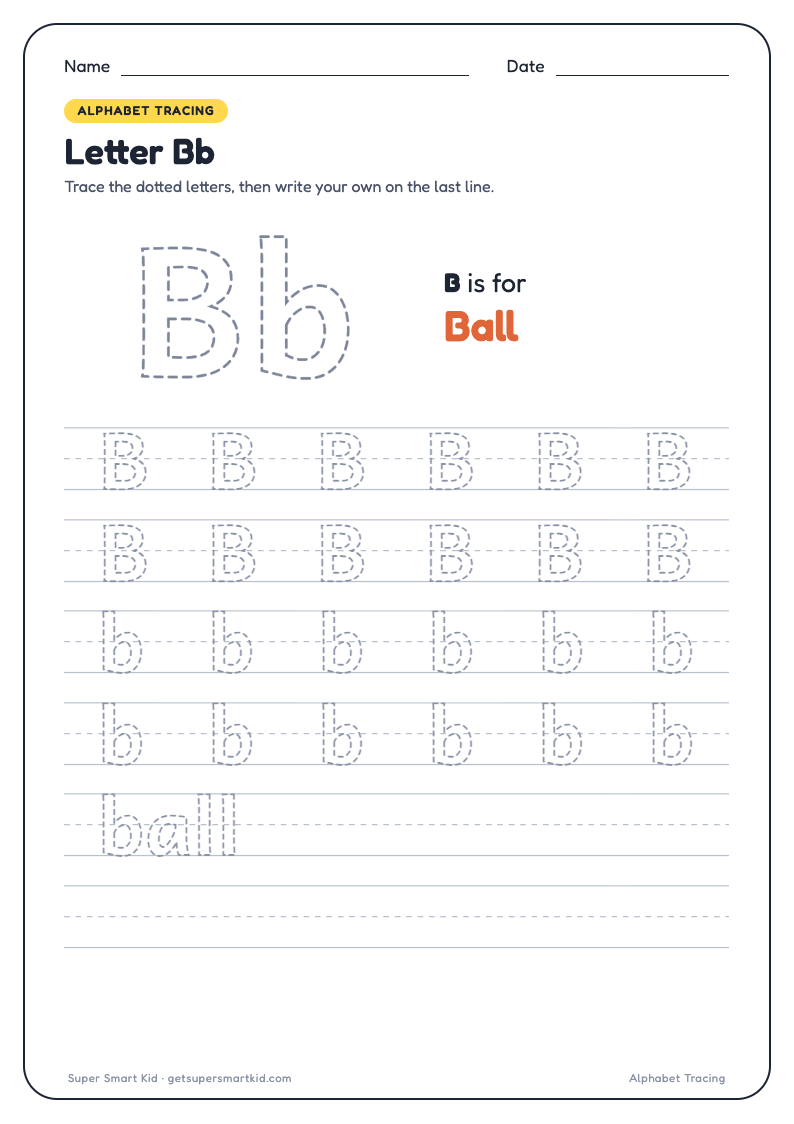
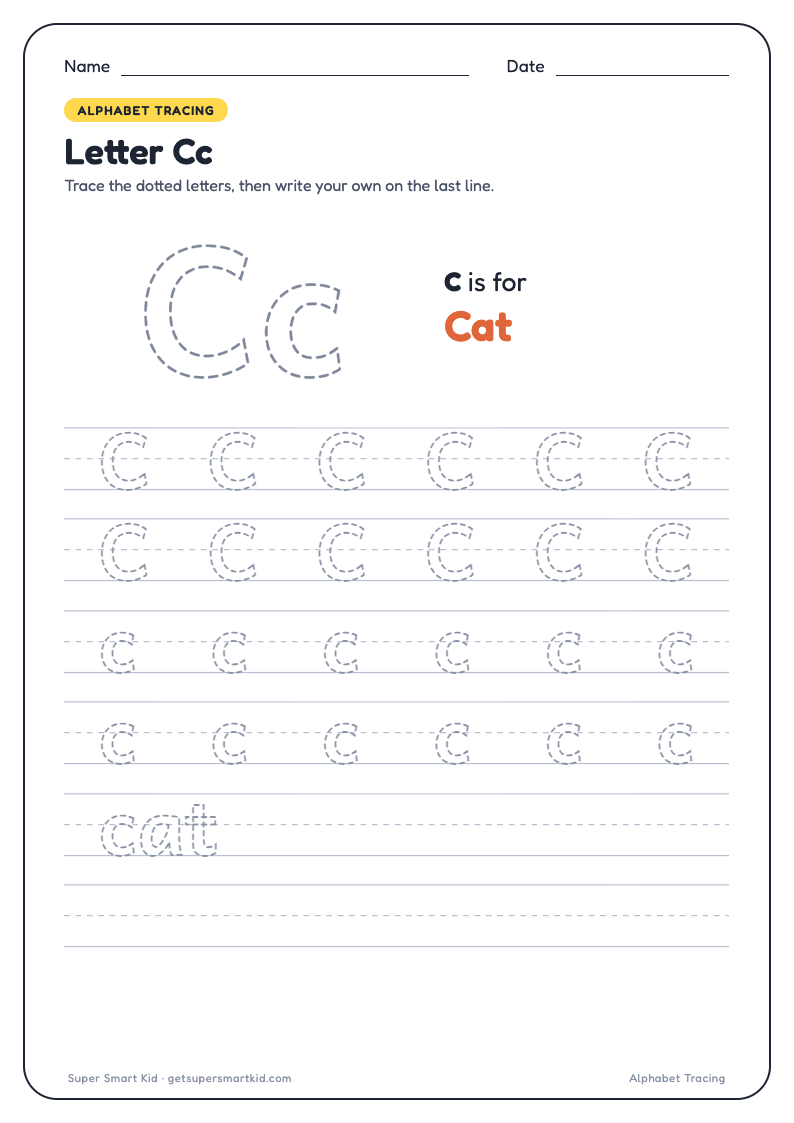
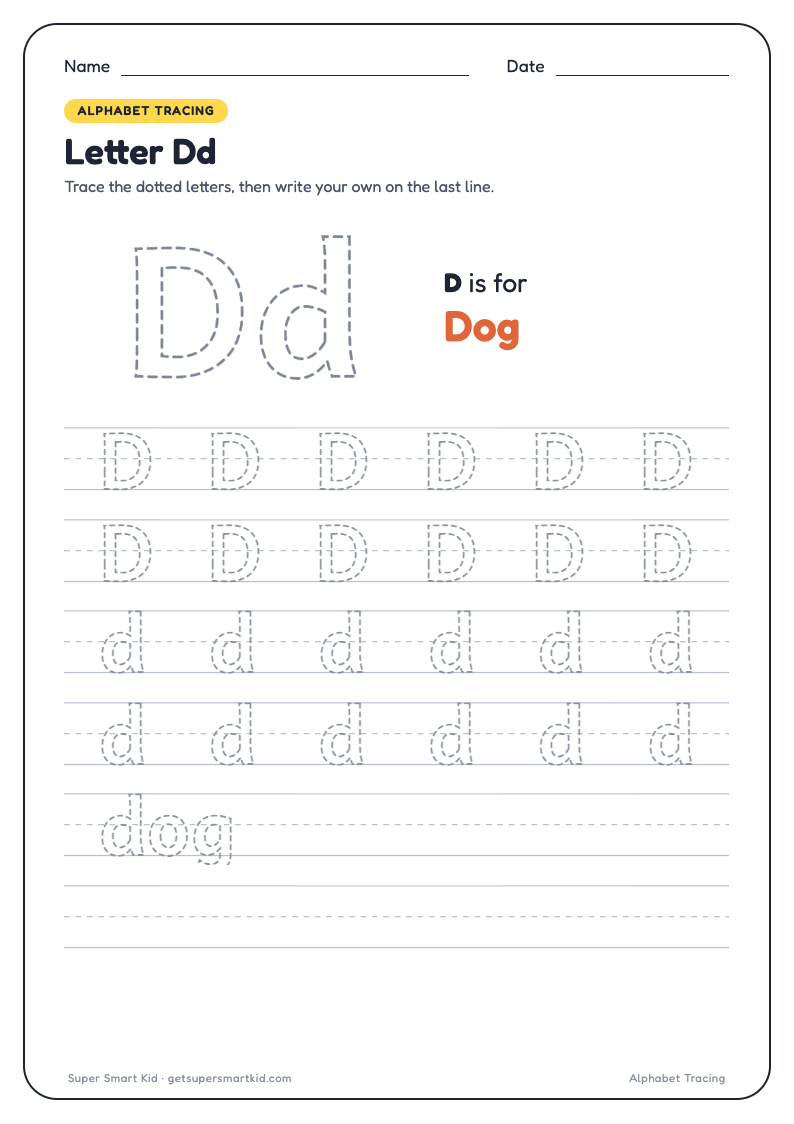
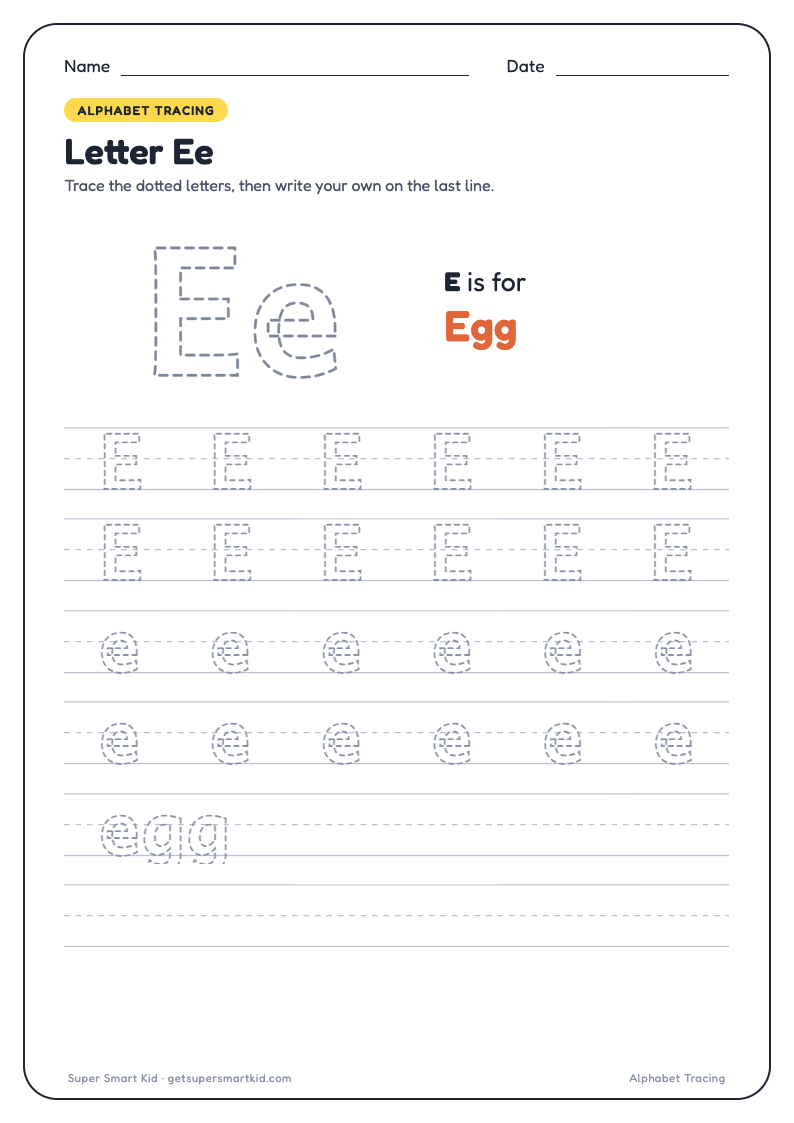
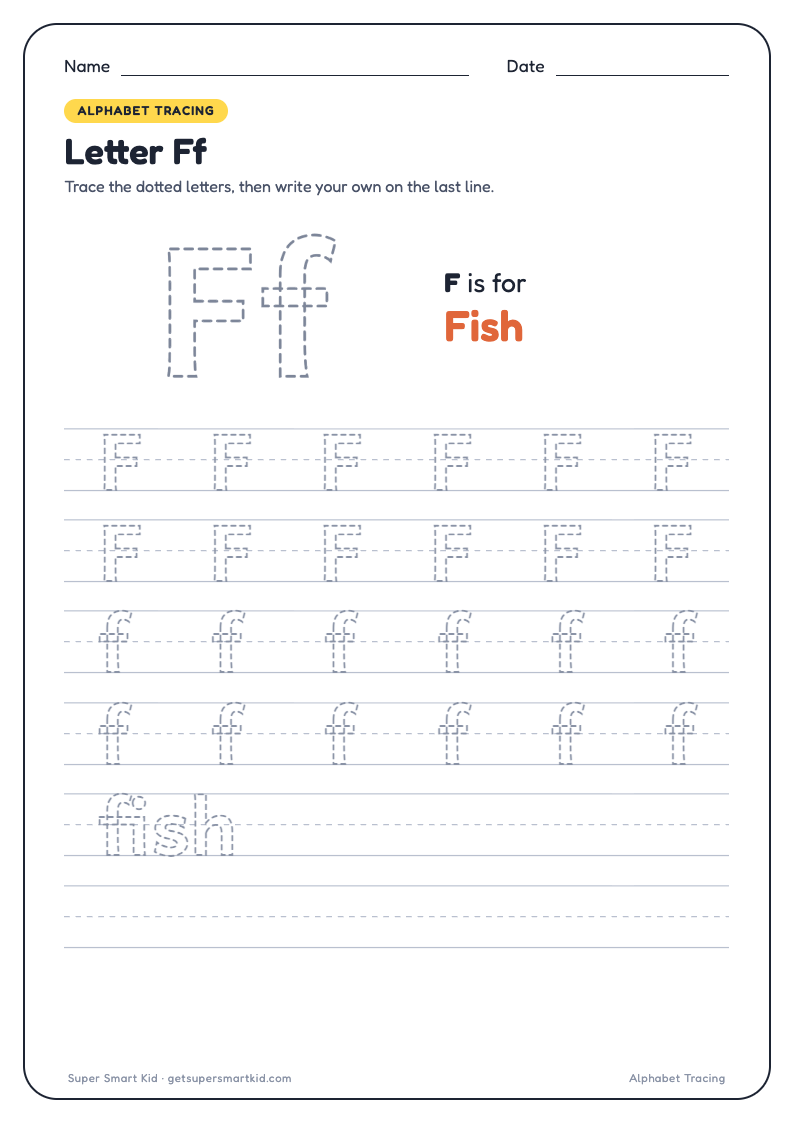
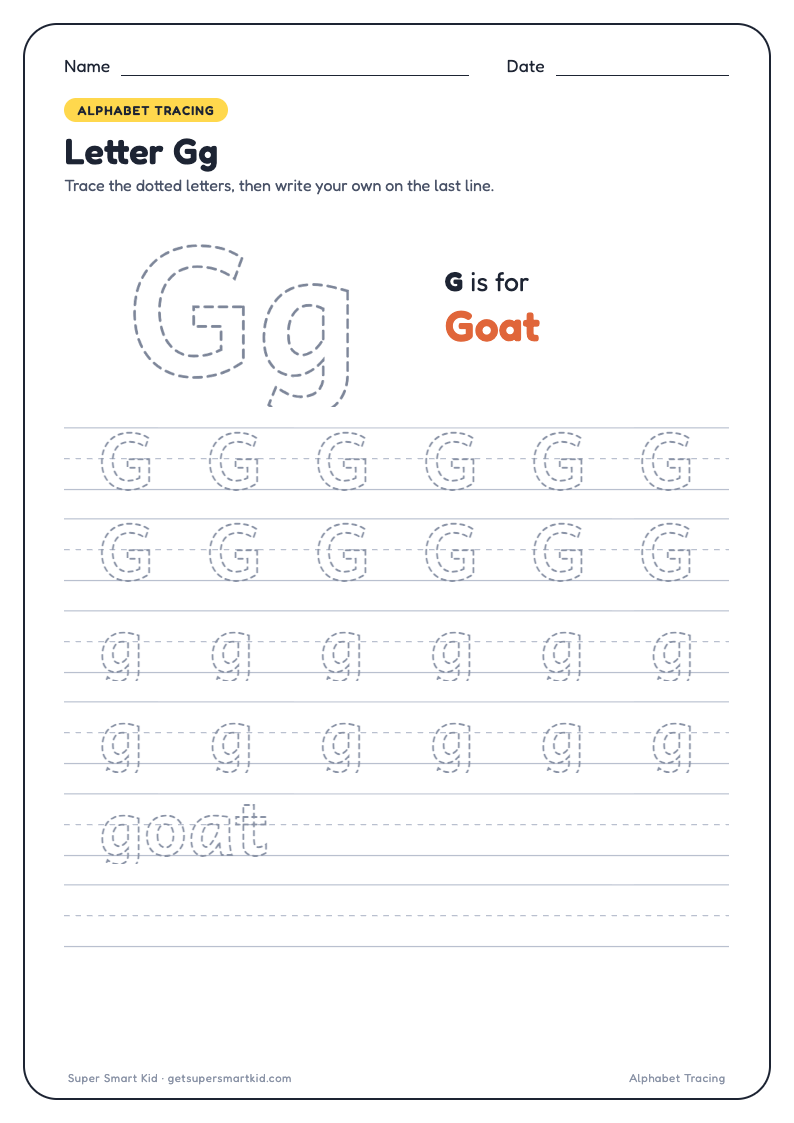
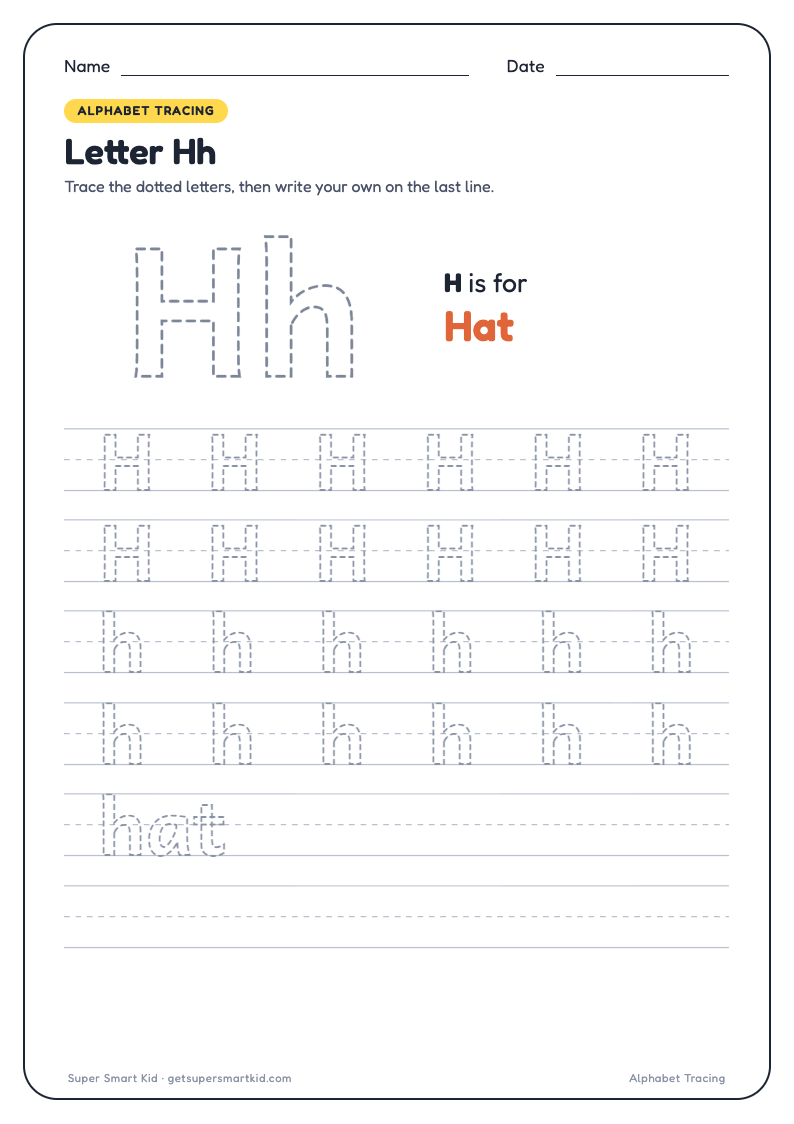
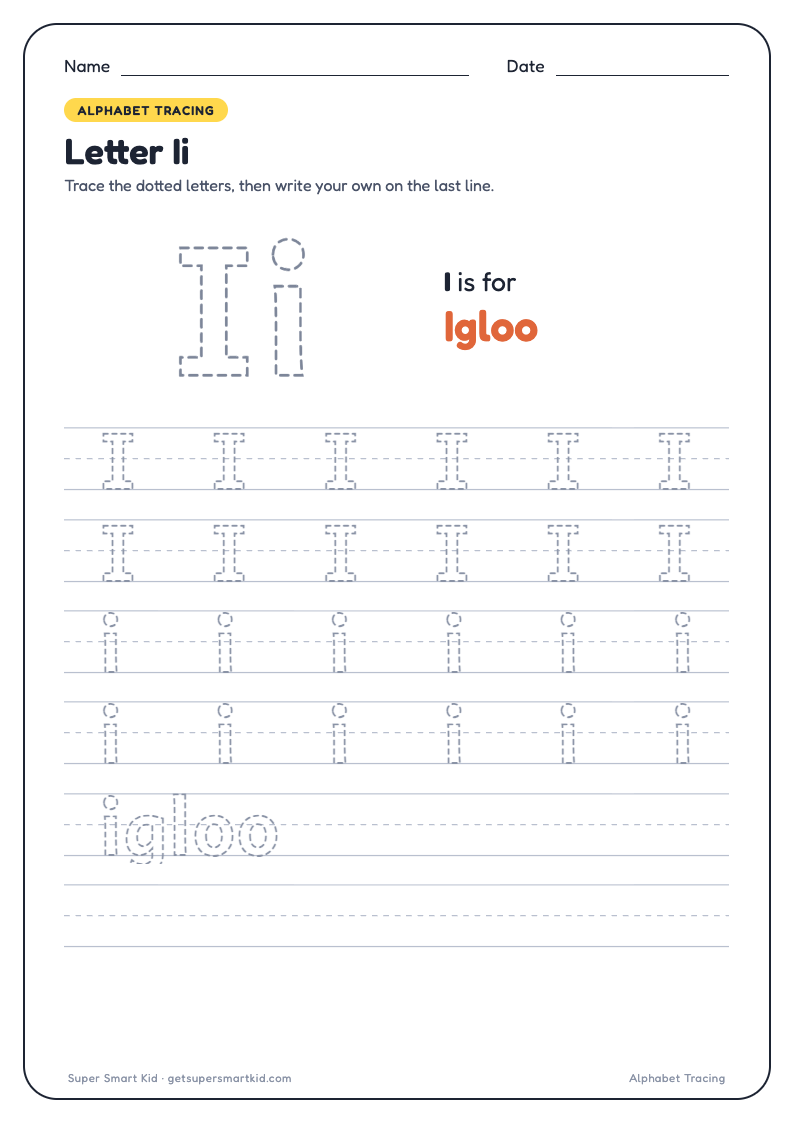
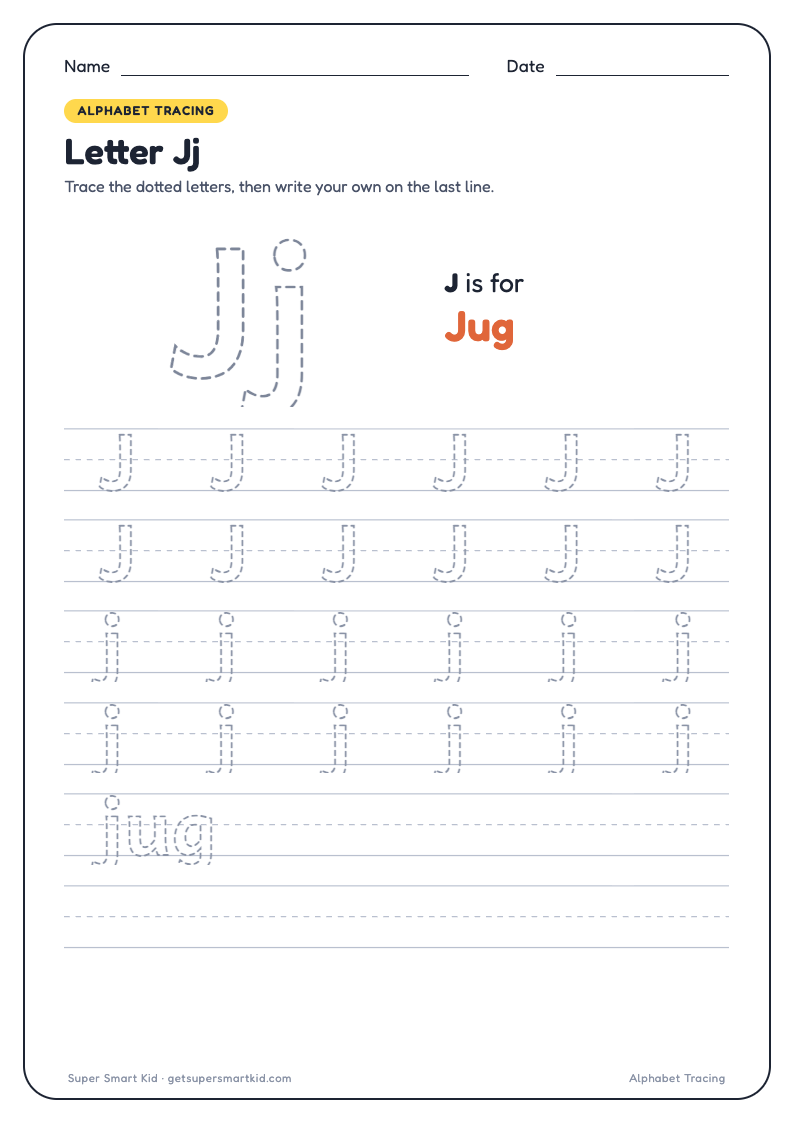
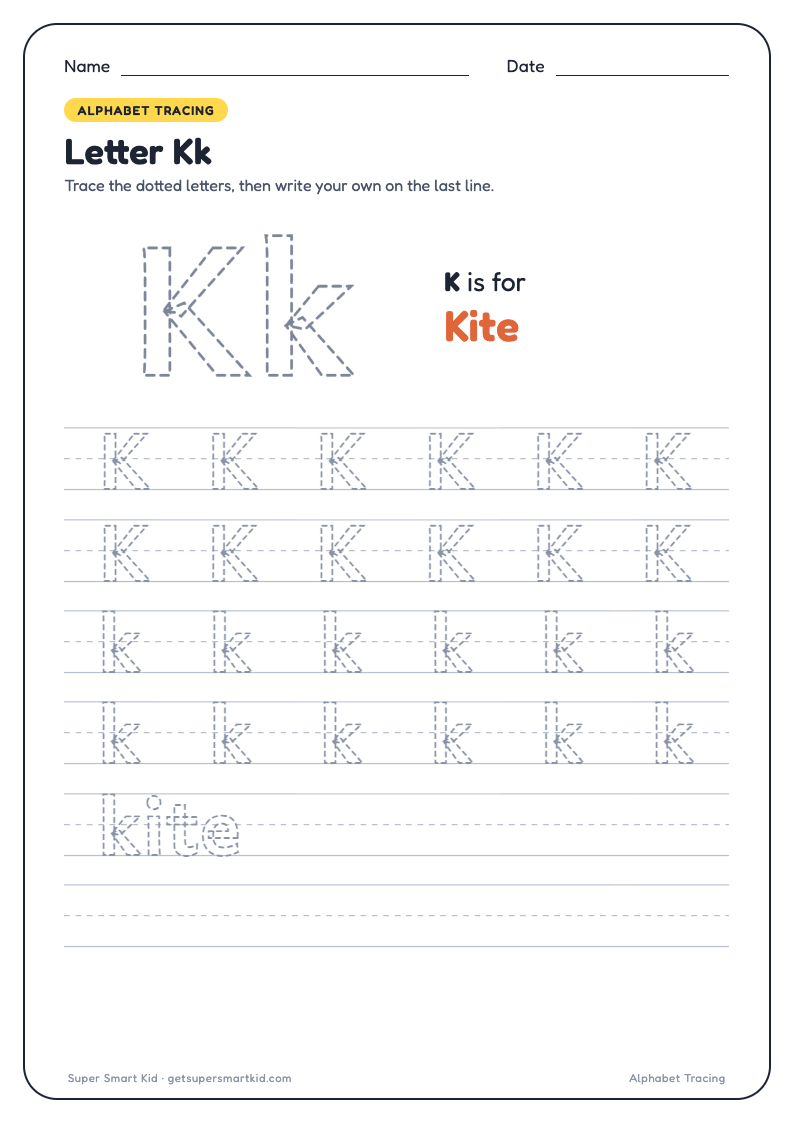
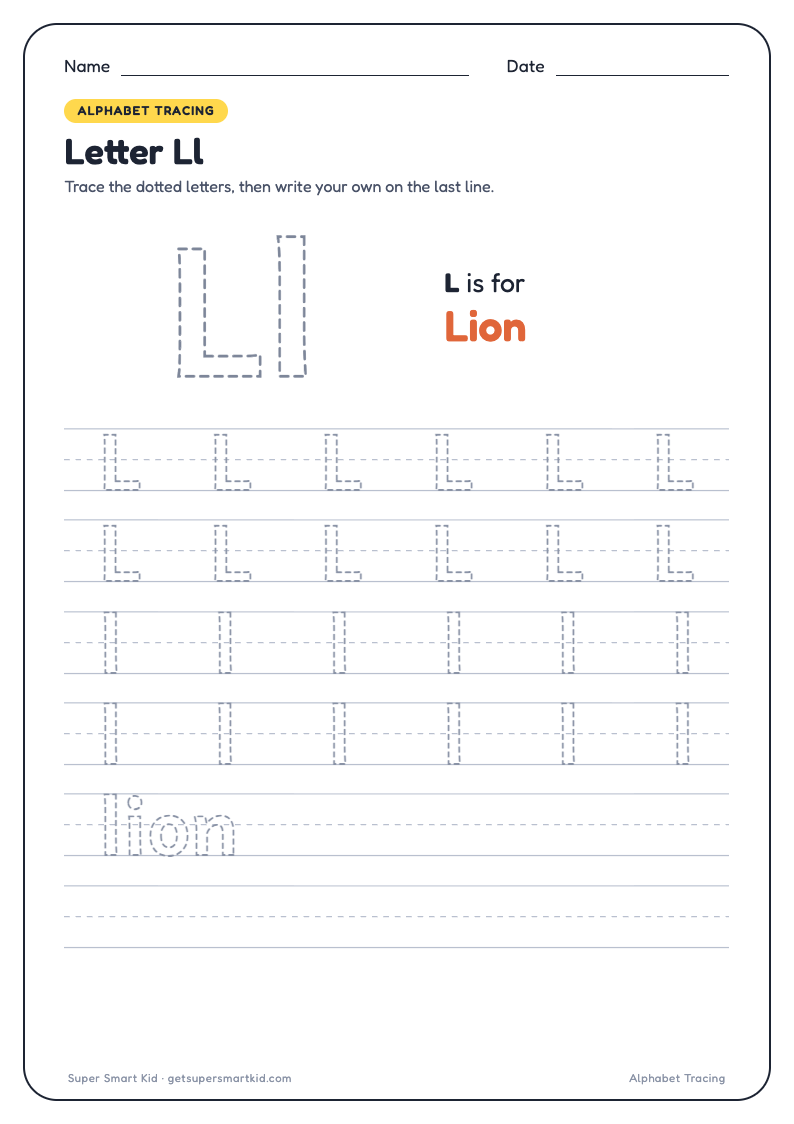
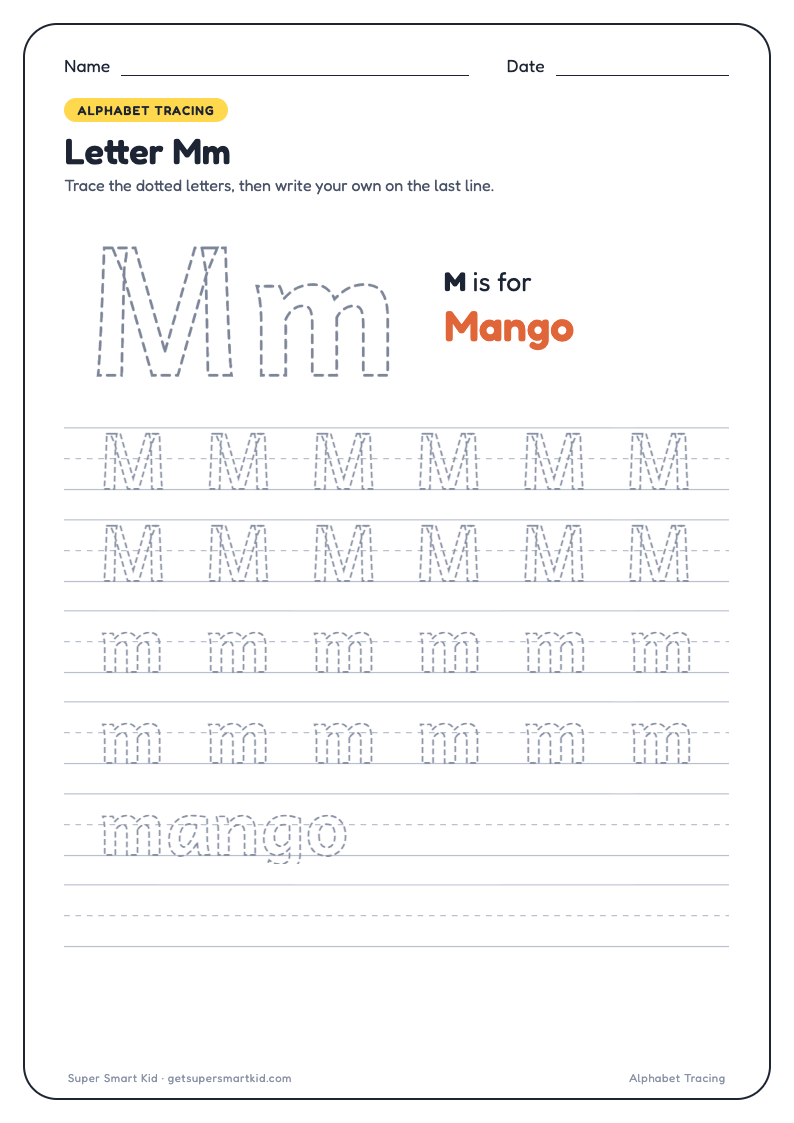
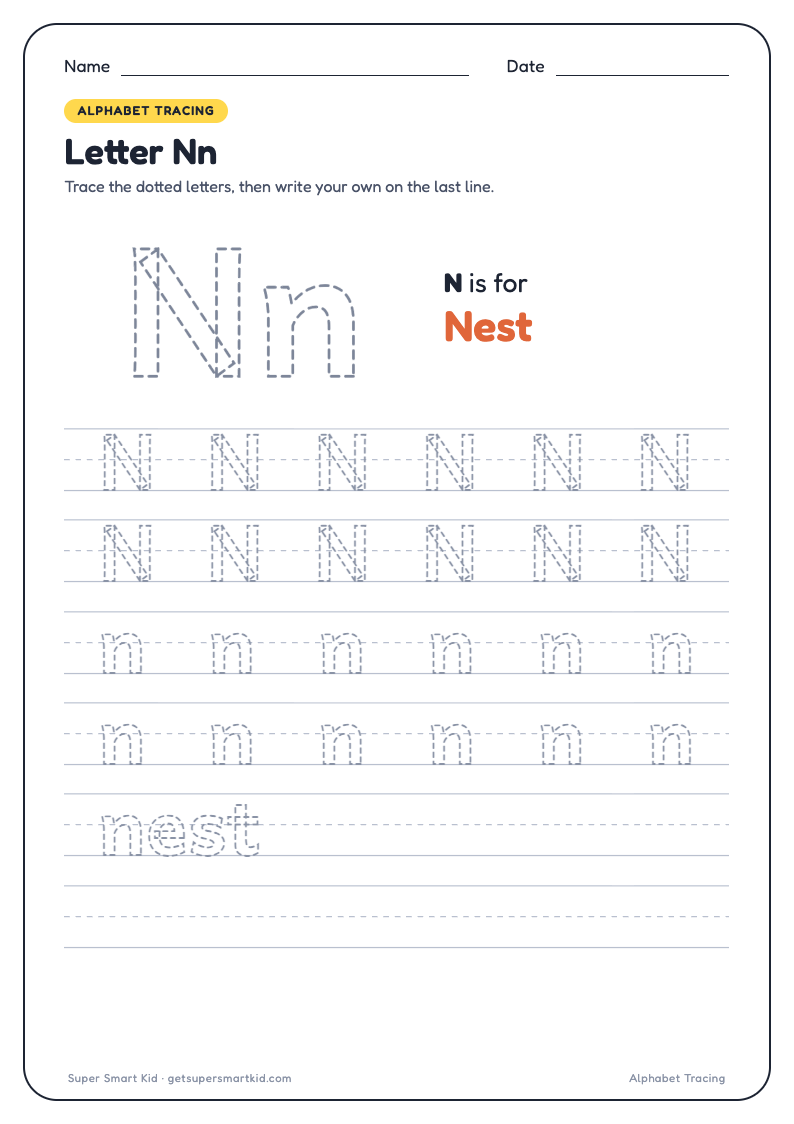
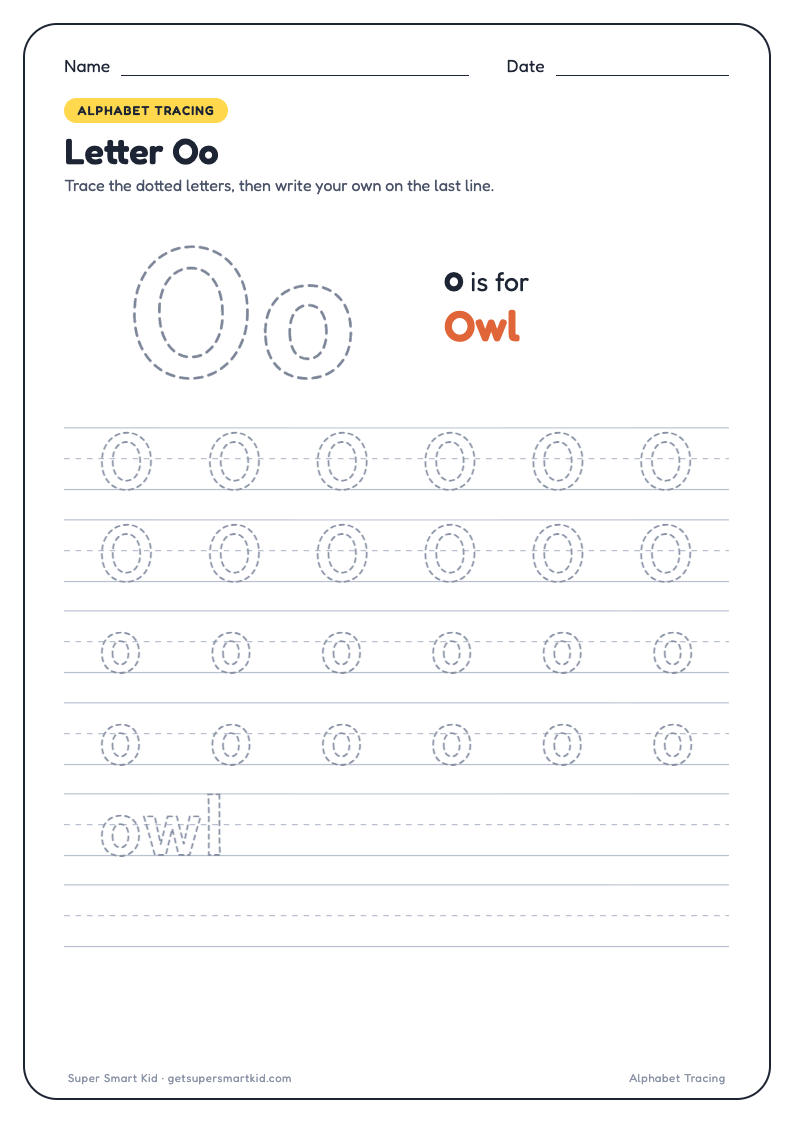
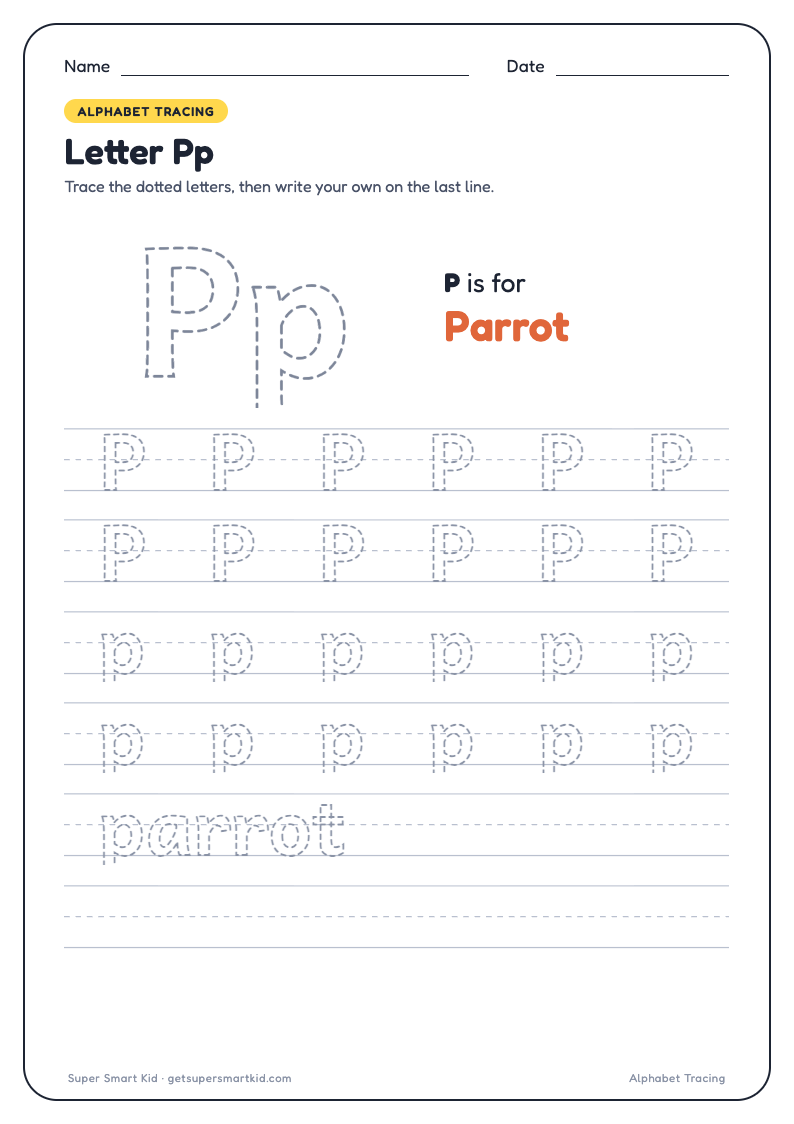
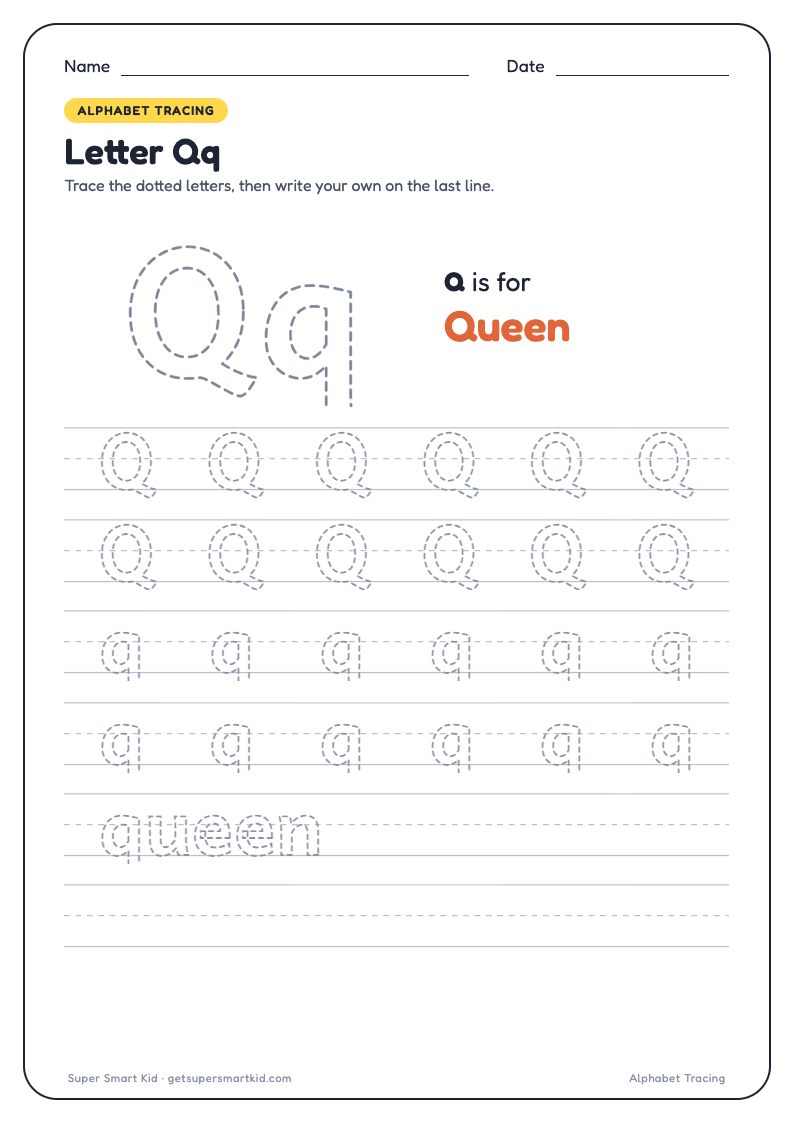
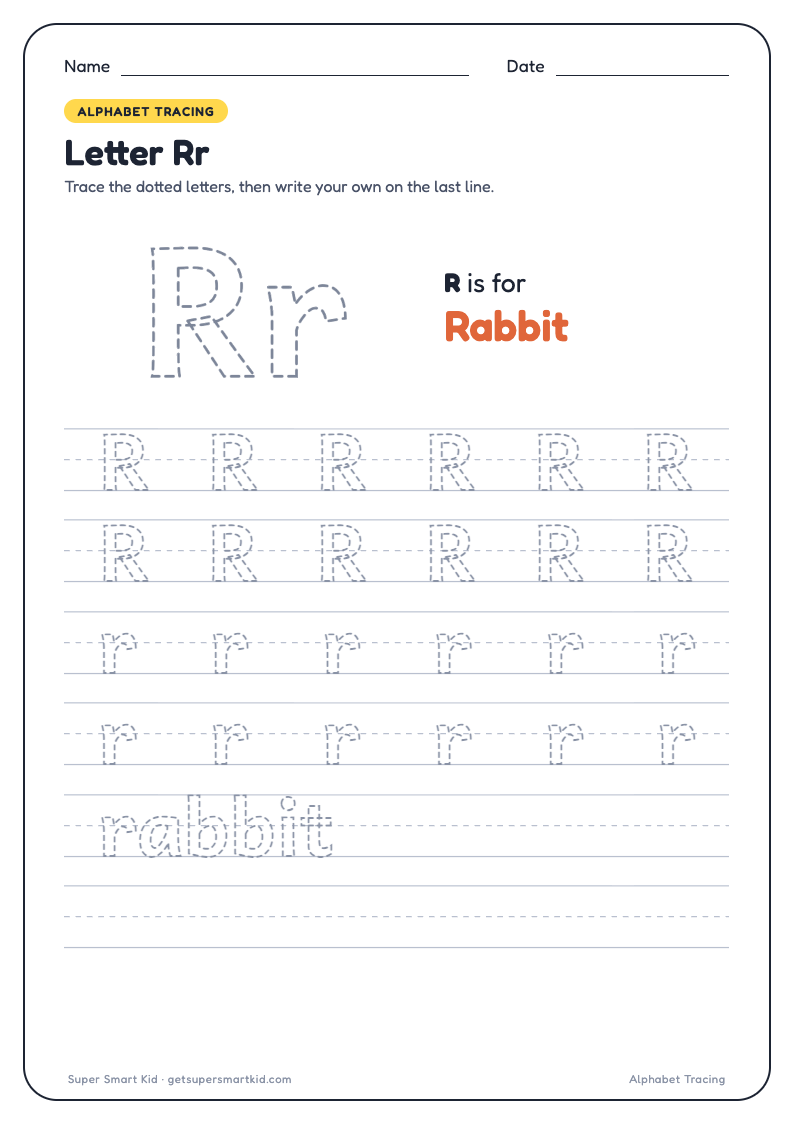
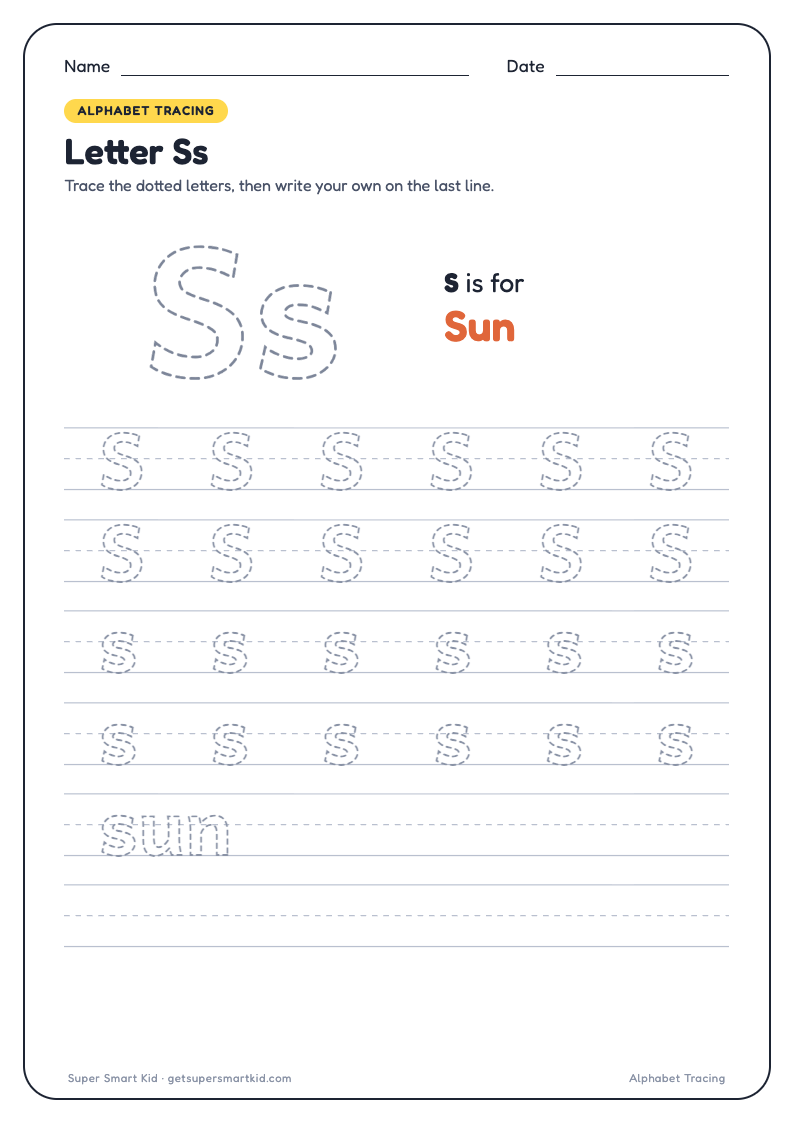
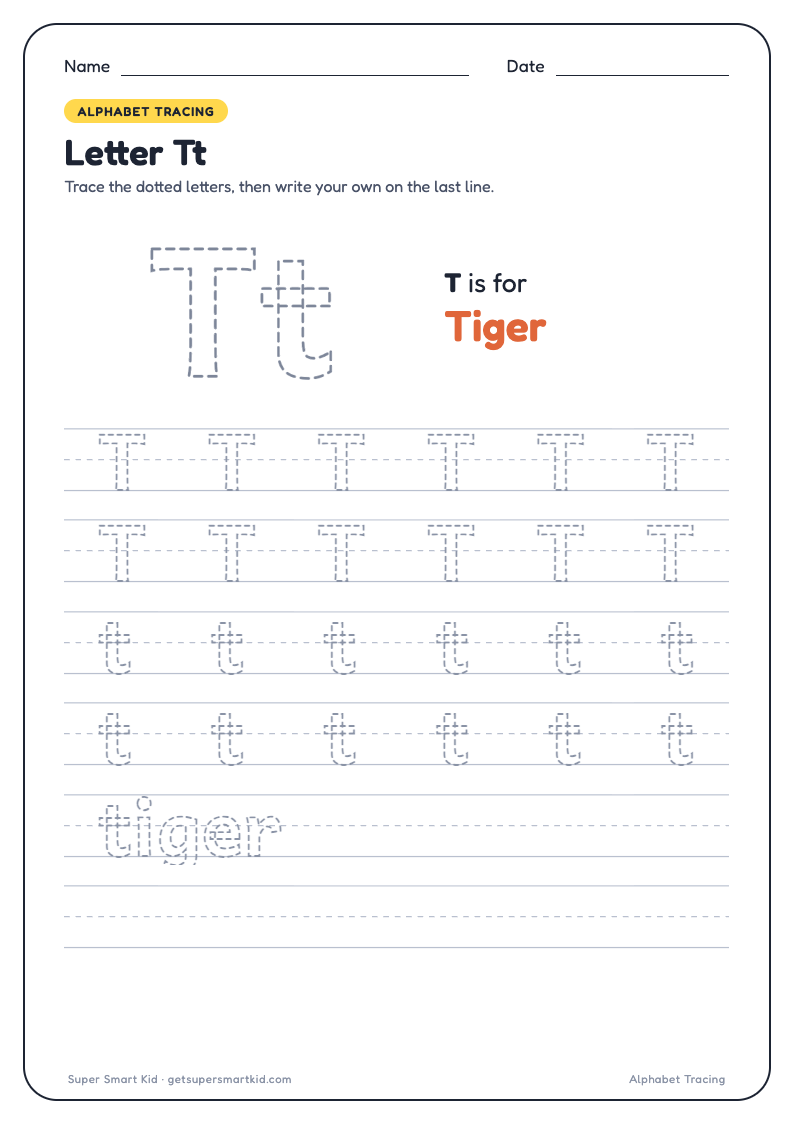
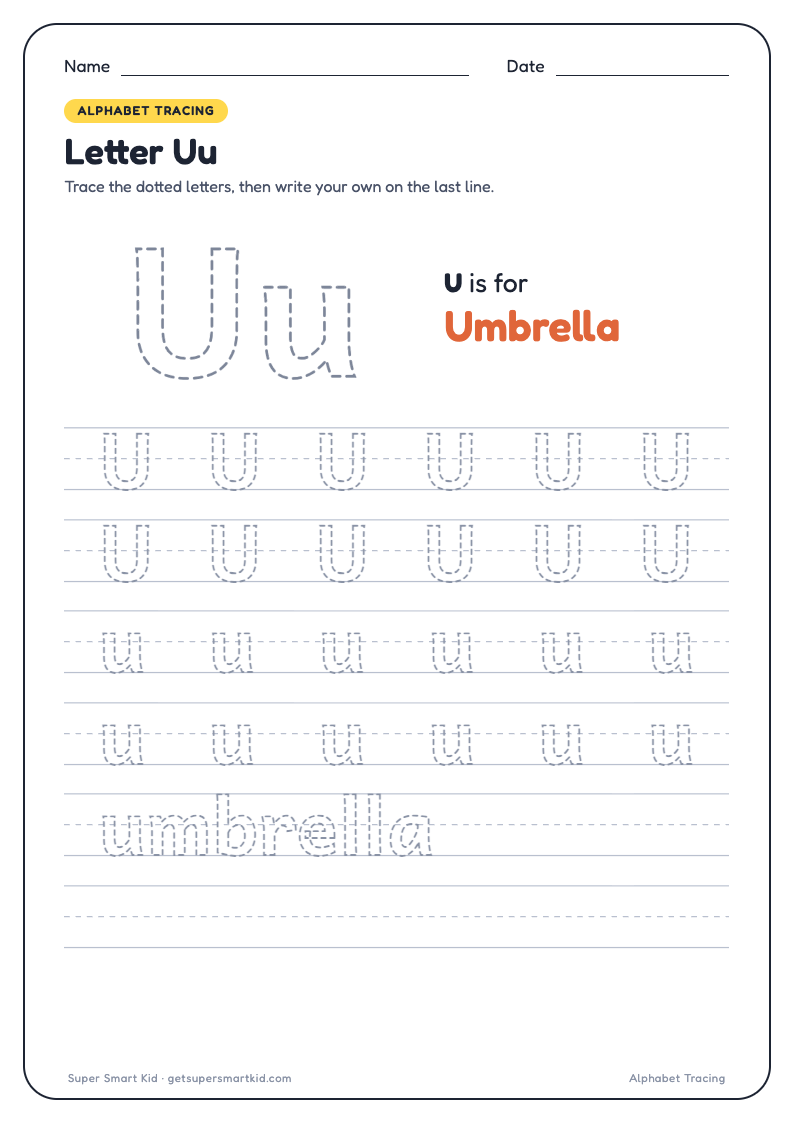
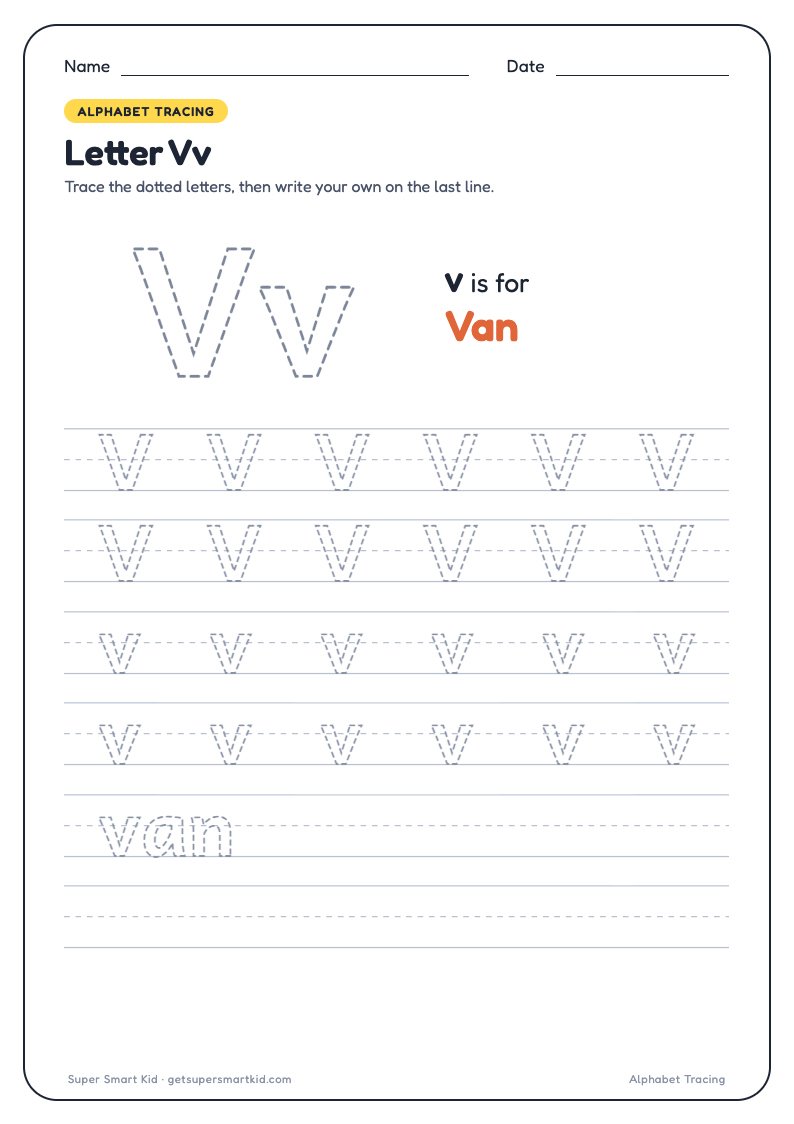
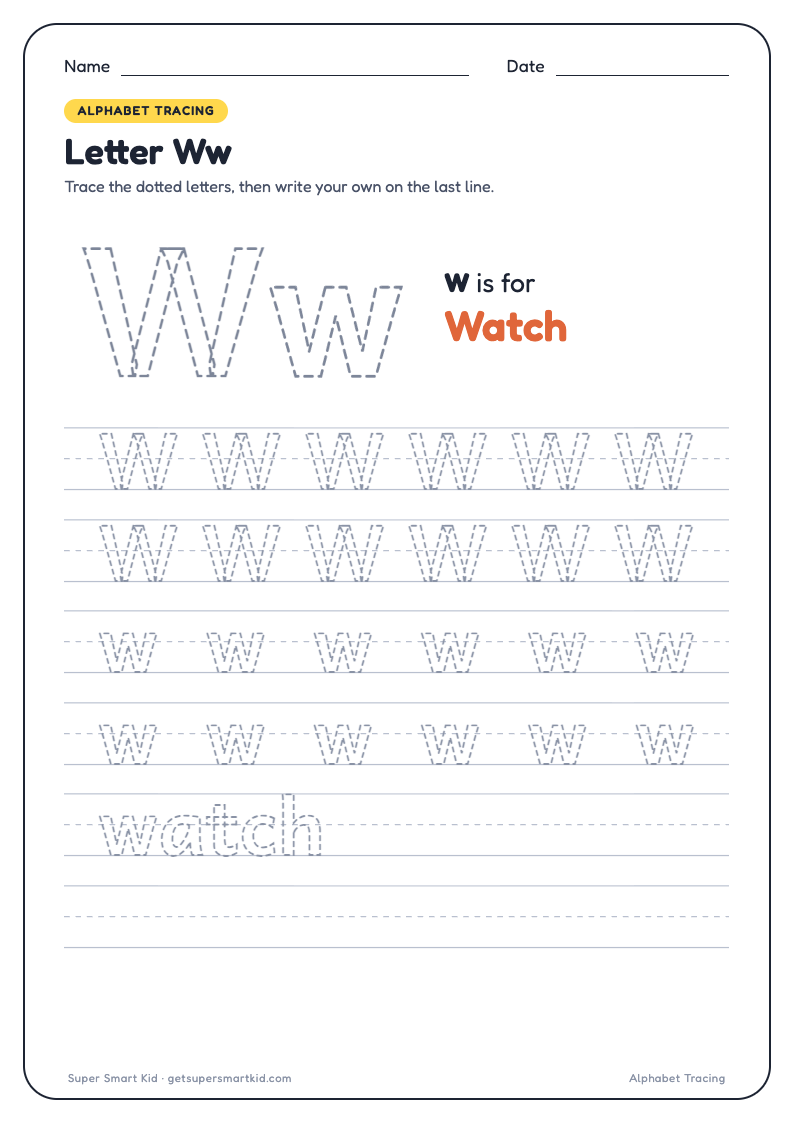
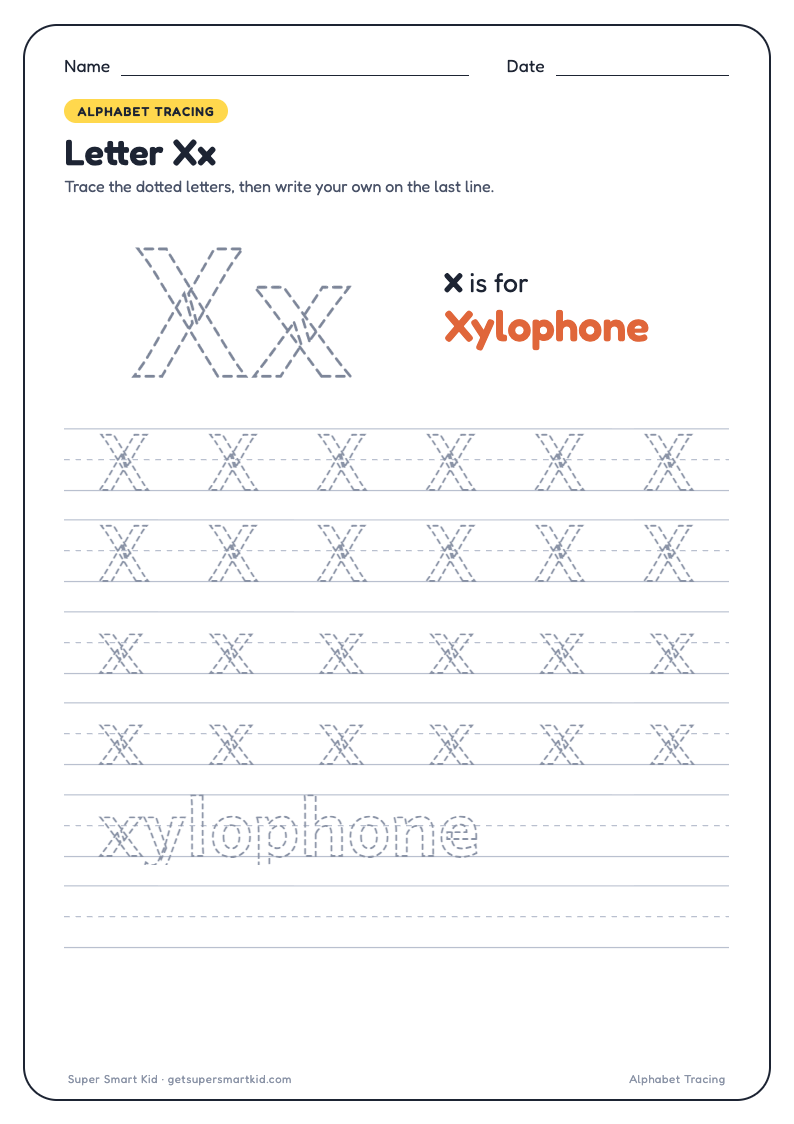
How to use these worksheets
- Do one letter a day. Twenty-six days is a lovely routine, and one page is the right length for a young child.
- Say the letter name and its sound before starting: "This is B. B says buh, like ball."
- Capitals first, small letters second. Capitals are made of straighter lines and are easier for small hands.
- Check that your child starts each letter at the top. Starting at the bottom is the most common habit to fix early.
- Use the empty last line for a free try. Praise the best letter on the page, even if it is wobbly.
Common problems, and what helps
Mixing up b and d
Normal until age 6 or 7. Practise b and d on different days so they do not appear side by side.
Letters going off the lines
The dashed middle line shows where small letters stop. Point to it before each row.
Holding the pencil in a fist
A short, thick pencil or a broken crayon encourages the finger grip.
Want more than 26 pages?
Our full pack has 1,500+ alphabet tracing worksheets, plus tracing, colouring, early maths and more: 14,000+ Kids Worksheets for ages 2 to 7, sorted by age.
Get All 14,000+ Kids WorksheetsJust ₹199, instant downloadQuestions parents ask
Should children learn capital or small letters first?
Most Indian schools start with capitals in nursery because they are easier to form, then add small letters in LKG. These pages have both.
What age is alphabet tracing for?
Usually age 3 to 5, which is nursery and LKG. Older children who find writing hard also benefit.
Why is there a word on each page?
It connects the letter to its sound, so tracing becomes the first step towards reading, not just handwriting.